IA Insights > Blog
How to Bring a Divided Room Together


Right after our Facilitation Masterclass on what to do when the room is divided, IA senior consultants Beth Yates and Beth O'Neill stuck around to answer the questions we received. Here are the highlights, with short clips if you'd rather hear it straight from them.
What do you do when attitudes get aggressive?
Beth Yates starts by noticing the signs. Comments get personal ("Of course you think that"), people cut each other off, and the questions turn leading. Once you see it, say what's going on: "I'm going to stop everybody for a second. There are some strong opinions here, and we want to hear them in a way other people can hear them too." Then suggest a couple of ground rules, like no interrupting and listening to understand, and check that the group is okay with them. Nobody's in trouble for caring about the issue.
Beth O'Neill likes to run a little commercial for disagreement: we disagree, that's fine, let's think it through together. Disagreement is healthy. What derails things is when it gets personal, so steer the conversation back to the issue and away from the person.
When should you take a conversation offline?
Both Beths shared a few signals. Maybe only two people have the expertise to settle it. In that case, let them work it out and bring back a decision, but get the group's agreement first and ask whether there's anything others want considered. Maybe people are so dug in that they're worried about losing face. Emotions might be running too hot, or there isn't enough information in the room yet. And Beth O'Neill's favorite: the popcorn comes out, and everyone else is just watching two people go at it.
Beth Yates added one caution. Don't reach for "let's take this offline" to dodge a disagreement the whole group needs to have. Ask whether the meeting can keep moving without settling it first.
What if the room is split across levels of hierarchy?
Beth O'Neill starts with two questions. Whose decision is this, and is that person open to influence? If you're not the decision-maker, invite the conversation: "I see that differently, and I'm wondering if you're interested in how I see it." Or, "I have a concern about implementing this. Would you like to talk it through?"
If you're the leader, you should want that input. The people carrying out a decision can often see around a corner you can't. Beth Yates pointed out that the way Beth O'Neill phrases it makes it hard to say no. Few leaders want to be the one who says they're not open to other perspectives.
How do you facilitate when you're also the boss?
Beth Yates was candid here. As a younger manager, she'd tell people she wanted their input when she'd already made up her mind. Now she gets honest with herself first about how open she is, then tells the group. That might sound like "there are a lot of ways we could go," or "I'm almost certain we should go with X, but before I decide, I want to hear what I might be missing." Then she listens like she means it. If she ends up going against the group, she explains how she weighed what they said.
Beth O'Neill boiled it down to one question: am I influenceable? If you're not, be transparent about it. When people don't have information, they fill the gap themselves, and they can smell fake openness every time. One more tip from Beth Yates: ask the question, then hold your own view until everyone else has spoken.
How do you stop a group from rushing to consensus?
Name it. Beth Yates has said to groups, "My concern right now is that we're rushing to an agreement, and I feel like there's more that hasn't been said." Then steer the conversation toward the risks and anything else that needs to be considered before a vote.
Beth O'Neill explained why groups rush in the first place. Disagreement is uncomfortable, and people want out. The leader's job is to make it feel normal, through tone, a calm reaction, and a simple structure to work through it together. Above all, slow the conversation down. Even your wording helps: "It sounds like some of you want to spend the budget on X and some of you on Y. Let's unpack that together."
What tools help a group debate productively?
They rattled off a handful:
- List the pros and cons, or name the biggest risks
- Run a quick start/stop/continue
- Try plus/delta, or "I like, I wish." Start with what people like, and gently hold that line when someone jumps ahead to concerns
- Write your criteria where everyone can see them, like "no new hires" or "it can't take longer than two months"
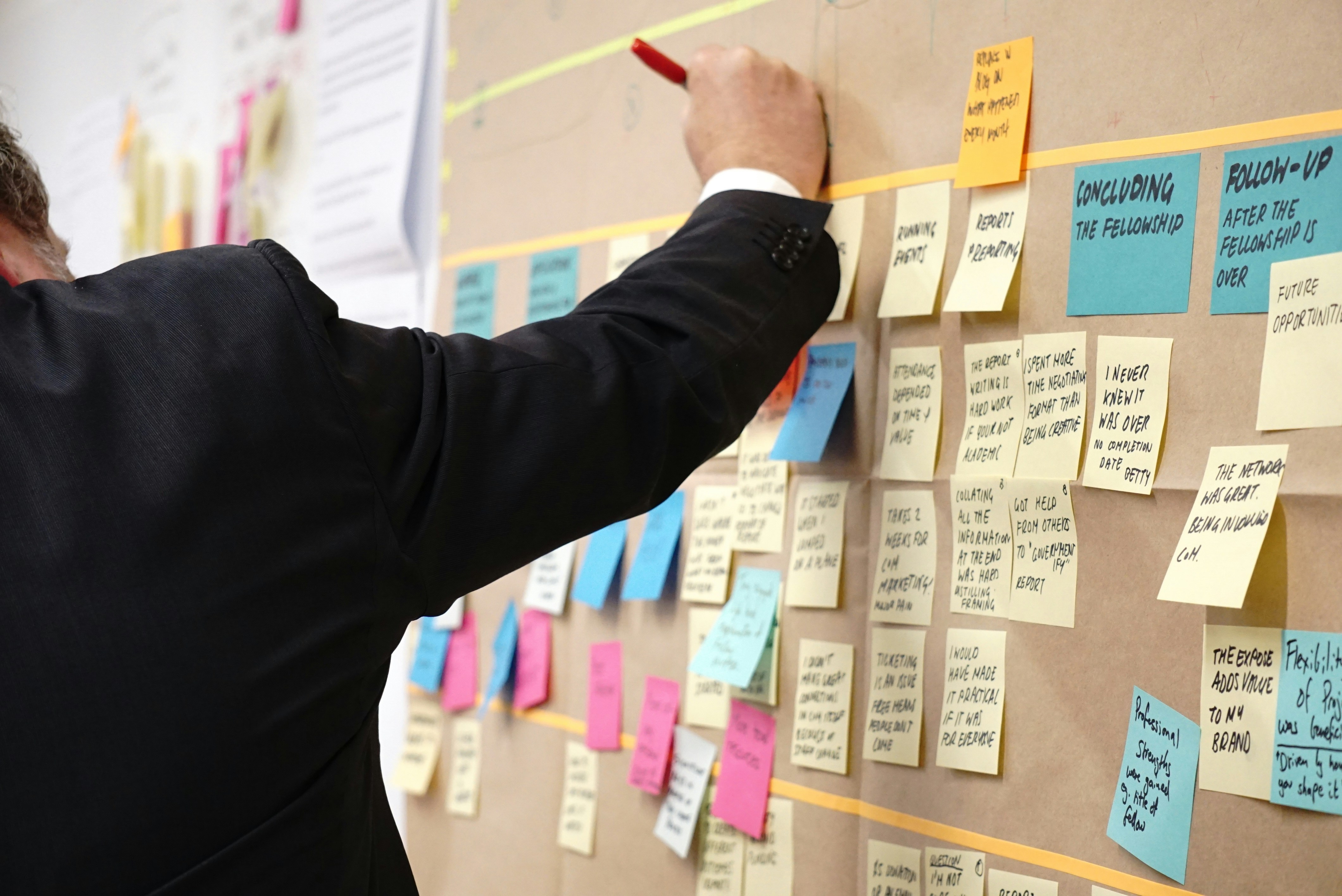
- Use sticky notes, pairs, small groups, or anonymous input on Zoom or Teams so quieter voices get heard
Two cautions from Beth Yates. Don't ask for concerns and then shoot one down. And she's not a fan of "let's play devil's advocate." She'd rather ask how another department might see the issue.
Want to go deeper?
IA runs free facilitation webinars throughout the year, plus public workshops, both virtual and in person. You can find what's coming up on our website. And if you want your team leading meetings like this every day, take a look at Essential Facilitation.
About IA Team
Interaction Associates (IA) helps leaders and teams think more clearly, collaborate more effectively, and focus on what matters most to their customers, employees, and stakeholders. We provide our clients with practical methods for helping people work better together across functions, viewpoints, and geographies. Since IA introduced the concept and practice of group facilitation to the business world in 1969, hundreds of thousands of individuals have learned The Interaction Method™, a facilitated approach for building understanding and agreement so people can take informed, concerted action.